Home
Blog
About us
Contact us
Download Catalogue
Menu
Home
Loss of Income Protection
How to Make a Family Budget
Family Medical Emergency Plan Guide
Back to products
Less Tech, More Life Guide
Click to enlarge
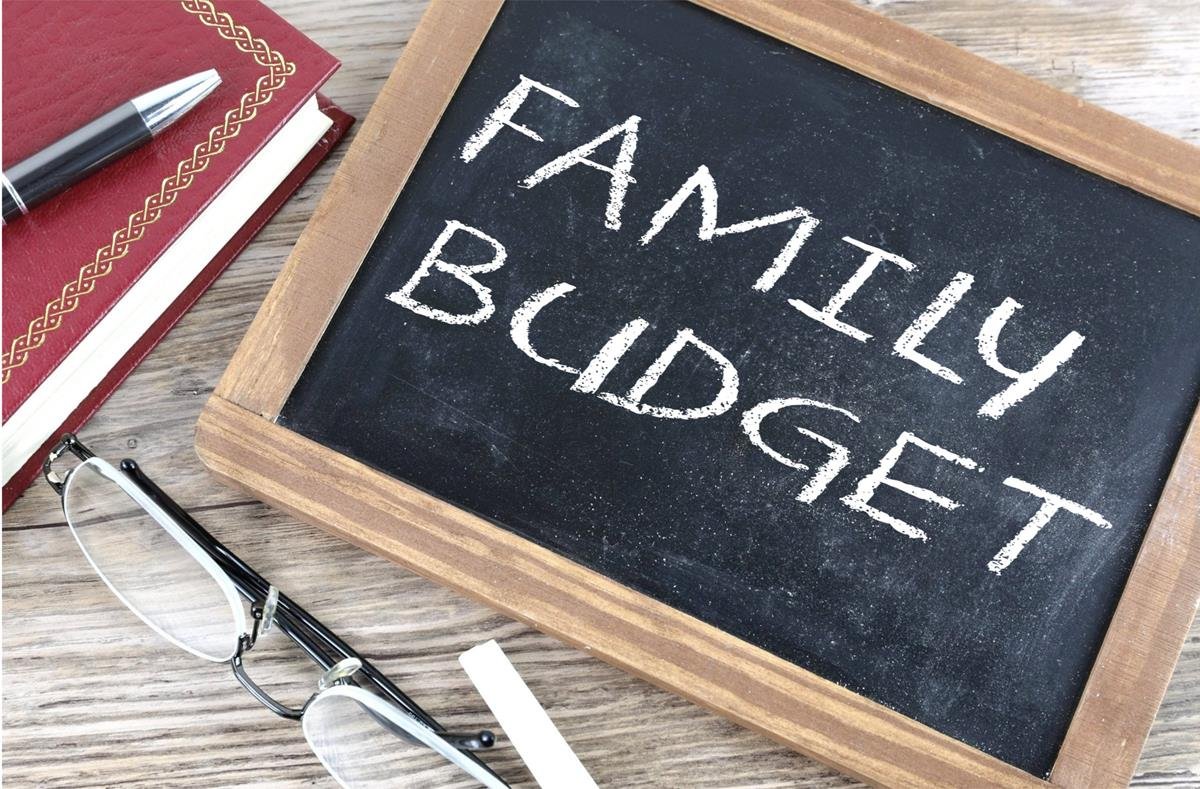
How to Make a Family Budget
Details:
Share:
Description
Managing Money
Sample Family Budget to help you build a realistic, flexible money tracker that actually works in daily life.
Step 1: Gather All Financial Information.
Before you start assigning numbers, collect:
Income details:
Pay stubs for both earners (net pay after tax)
Side job, Passive income or bonuses
Monthly bills:
Mortgage or rent
Car Payments
Vehicle Maintenance
Property taxes (if not included in mortgage)
Utilities (Gas/Hydro, Water, Internet, Phone)
Insurance (Home, Car, Life, Accident/Sickness)
Variable expenses:
Groceries, gas, entertainment, clothing
Long-term goals:
Retirement contributions (RRSP, TFSA, RHOSP etc.)
Emergency savings
Children’s education (RESP) or vacation fund
Step 2: Calculate Total Monthly Net Income
Add both incomes together (after taxes and deductions)
Step 3: List All Monthly Expenses
Organize expenses into 2 categories:
Fixed and Variable
Step 4: Assign Percentages (Guideline)
A healthy budget distribution might look like:
Housing (mortgage, property tax, insurance): 30–35%
Transportation (car, gas, insurance): 15–20%
Savings & retirement: 10–15%
Food: 10–15%
Utilities & bills: 10%
Lifestyle/miscellaneous: 10%
If one area is higher (e.g., housing), balance by trimming another.
Step 5: Review Monthly
Track actual spending vs. plan.
Adjust for seasonal changes (e.g., higher winter heating costs).
Reassess every 3–6 months or when income changes.
Bonus Tip
: Build an Emergency Fund
Aim for 3–6 months of living expenses to cover unexpected events like job loss or medical emergencies
Start small — even $100/month builds security.
If your income exceeds your outgo, your upkeep will be your downfall.
Anonymous
Care library
Reviews
Close
Home
Blog
About us
Contact us
Sign up for our newsletter.